
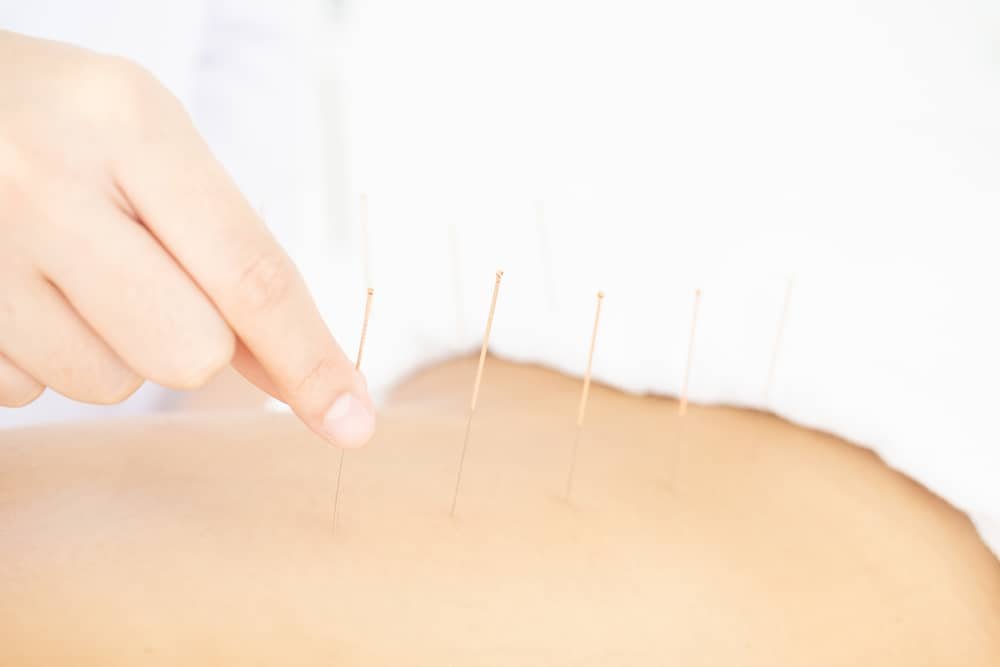
Lower back pain is one of the most common health complaints among adults. For many people, rest, stretching, and over-the-counter pain relief may help temporarily. But when discomfort lingers or begins affecting daily life, it may be a sign that deeper treatment is needed.
Many individuals searching for Acupuncture for lower back pain in Edmonton are not simply dealing with occasional soreness-they are facing recurring pain, limited mobility, and ongoing physical stress that does not improve with rest alone.
Understanding the signs, you may need acupuncture for lower back pain can help you recognize when professional support may be beneficial before the condition worsens.
Why Lower Back Pain Often Persists
Lower back pain can develop from:
- Poor posture
- Long hours of sitting
- Repetitive physical strain
- Sports injuries
- Muscle tension and stress
- Sciatic nerve irritation
In colder climates like Edmonton, muscle stiffness and reduced mobility during winter can also contribute to chronic discomfort.
While temporary soreness may improve naturally, persistent symptoms often require targeted therapeutic care.
- Your Pain Lasts Longer Than a Few Weeks
Minor muscle strain usually improves within days or weeks. If pain continues beyond that timeframe, it may indicate:
- Chronic inflammation
- Muscle imbalance
- Nerve irritation
- Ongoing tension patterns
Persistent pain is one of the clearest signs you may need acupuncture for lower back pain instead of relying only on rest.
Acupuncture is commonly used to help stimulate circulation, reduce inflammation, and encourage the body’s natural healing response.
- Sitting or Standing for Long Periods Becomes Difficult
If your back pain worsens during:
- Desk work
- Driving
- Standing for extended periods
this may indicate deeper muscular or nerve-related tension.
Many Edmonton residents with sedentary jobs develop chronic lower back tightness that requires more than temporary stretching routines.
- Pain Radiates Into Your Legs or Hips
Radiating discomfort may suggest sciatic nerve involvement or muscle compression.
Common symptoms include:
- Tingling sensations
- Burning pain
- Numbness in the legs
- Tightness in the hips or glutes
Acupuncture is often integrated into pain management approaches to help reduce nerve-related tension and improve mobility.
- You Depend on Pain Medication Regularly
Occasional pain relief medication may help short term, but relying on it frequently can indicate that the underlying issue is not being addressed.
Many people explore Acupuncture for lower back pain Edmonton as a complementary therapy to help manage discomfort naturally while supporting long-term recovery.
- Sleep Is Being Affected
Lower back pain that interferes with sleep should not be ignored.
Difficulty:
- Finding comfortable positions
- Staying asleep
- Waking with stiffness or pain
often points to chronic muscle tension or inflammation.
Poor sleep can also slow healing and increase pain sensitivity over time.
- Physical Activity Feels More Restricted
If activities like:
- Walking
- Exercising
- Bending
- Lifting objects
become increasingly difficult, your body may need targeted therapeutic support.
Acupuncture treatments are often combined with massage therapy and mobility-focused care to improve flexibility and movement patterns.
Clinics such as Dr Song Acupuncture & Massage Clinic frequently work with individuals experiencing chronic lower back tension and movement restrictions.
- Stress Makes Your Pain Worse
Stress and muscle tension are closely connected. Emotional stress can increase:
- Muscle tightness
- Inflammation
- Pain sensitivity
Many patients notice their lower back pain intensifies during stressful periods.
Acupuncture is widely used to help regulate the nervous system while promoting relaxation and tension relief throughout the body.
For additional insight into recognizing treatment timing, many readers explore resources like 7 Signs It’s Time to Try Acupuncture for Lower Back Pain in Edmonton.
How Acupuncture Supports Lower Back Pain Recovery
Acupuncture focuses on stimulating specific points in the body to support:
- Improved circulation
- Reduced muscle tension
- Nervous system regulation
- Natural pain relief mechanisms
Many patients use it alongside massage therapy, stretching, and rehabilitation exercises as part of a broader recovery plan.
When to Seek Professional Evaluation
You should seek professional assessment if your pain:
- Persists beyond several weeks
- Interferes with sleep or movement
- Causes numbness or weakness
- Continues returning despite rest
Early intervention can help prevent chronic pain patterns from becoming more severe.
Conclusion
Lower back pain is not always something that improves with rest alone. Persistent discomfort, restricted movement, sleep disruption, and recurring tension are all important signs you may need acupuncture for lower back pain before the condition worsens.
For individuals seeking Acupuncture treatment for lower back pain, early therapeutic support can help reduce pain, improve mobility, and support long-term recovery. With professional care from clinics like Dr. Song Acupuncture & Massage Clinic, many patients find a more balanced and sustainable approach to managing chronic lower back discomfort.
If your lower back pain is affecting your daily life, schedule a consultation with Dr. Song Acupuncture & Massage Clinic today at 780-435-5312 to explore personalized treatment options for lasting relief.
FAQ's
Does acupuncture help lower back pain?
Many people use acupuncture to help reduce muscle tension, inflammation, and chronic lower back discomfort.
How many acupuncture sessions are needed?
The number varies depending on pain severity and individual response to treatment.
Is acupuncture painful?
Most patients experience minimal discomfort, with many describing the treatment as relaxing.
Can acupuncture help sciatica symptoms?
Acupuncture is often used to help manage tension and discomfort associated with sciatic nerve irritation.
When should I consider acupuncture for lower back pain?
You may benefit if pain persists, affects mobility, or does not improve with rest alone.